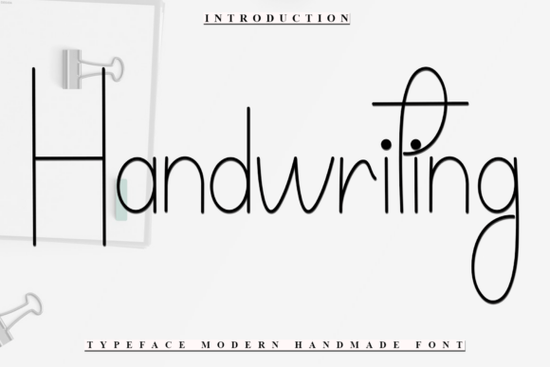
If you're looking for a handwriting font that blends precision with personality, the Handwriting Font offers something refreshingly different. Unlike traditional script fonts with dramatic thick-and-thin strokes, this typeface uses a consistent ultra-thin line what designers call a “monoline” weight to create a clean, architectural look. It’s ideal when you want your project to feel modern, intentional, and quietly luxurious.
When should you use this handwriting font?
This isn’t a font for body text or long paragraphs. Its delicate lines shine best in short applications where every curve and angle can be seen clearly: think logos, product labels, wedding invitations, boutique packaging, or headline treatments in editorial layouts. Because of its minimal structure, it pairs beautifully with generous letter spacing (tracking), which enhances its airy, refined aesthetic.
You’ll especially appreciate it if your brand leans toward:
- High-end tech or software interfaces
- Architectural or interior design portfolios
- Minimalist fashion or beauty branding
- Craft projects that need subtle elegance like engraved jewelry tags or embossed stationery
How does it compare to other script fonts?
Most script fonts mimic brushstrokes or calligraphy, like the warm, flowing Sweet Casual Font, which feels friendly and approachable. Others, such as the bold ThickLoved Duo, lean into contrast and drama perfect for romantic or vintage designs.
In contrast, the Handwriting Font strips away ornamentation. There’s no bounce, no swash, no variation in stroke width. What remains is pure form: geometric, human, and precise. If you’ve ever admired blueprint sketches or wireframe models for their clarity and restraint, this font channels that same energy into typography.
For seasonal or whimsical projects, you might consider something like the cozy Mistletoe Cottage Font or the playful Shake Font. And for weddings, the dreamy Whimsical Wedding Font adds charm with loops and flourishes. But when your goal is understated sophistication not nostalgia or exuberance this monoline handwriting style stands apart.
What can you actually make with it?
Thanks to its compatibility with Windows, macOS, and open-source design tools (like Inkscape or Canva), this font works across digital and physical mediums. Here are a few practical uses:
- Print-on-demand products: Use it for minimalist mugs, tote bags, or phone cases where less ink = cleaner results.
- Logo design: Great for startups wanting a sleek, tech-forward identity without looking cold.
- Wall art or vinyl decals: Its thin lines cut cleanly on machines like Cricut or Silhouette.
- Social media graphics: Pair it with ample white space and neutral tones for Instagram quotes or Pinterest headers that feel curated, not cluttered.
Just remember: because the strokes are so fine, avoid using it at very small sizes or on low-resolution prints. It needs room and scale to breathe.
Tips for getting the best results
To make the most of this font’s unique character:
- Increase tracking: Add extra space between letters (try 50–150 units depending on size) to let each glyph stand out.
- Use dark-on-light or light-on-dark: High contrast ensures the thin lines remain visible.
- Avoid busy backgrounds: This font thrives in simplicity pair it with solid colors or very subtle textures.
- Limit usage to headlines or accents: One or two words often have more impact than a full sentence.
Whether you’re a small business owner crafting a new label, a hobbyist making custom gifts, or a designer building a brand system, this handwriting font offers a rare balance: technical precision with a human touch.
Before you download, ask yourself: Do I need a font that whispers rather than shouts? If yes, this could be your perfect match.
Explore Design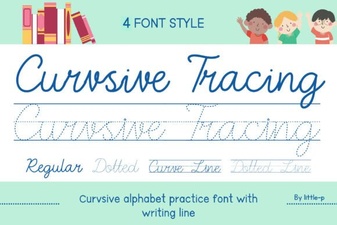 Learn Cursive with Tracing Fonts
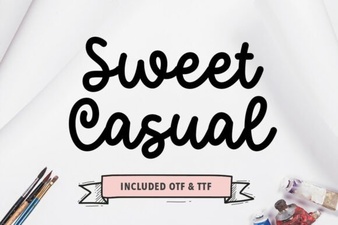 Sweet Casual Fonts for Friendly Web Design
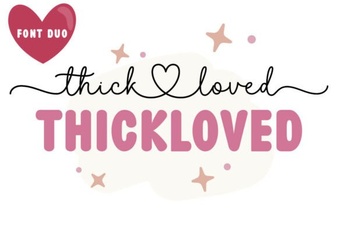 Thickloved Duo Font: Creative Design Ideas & Projects
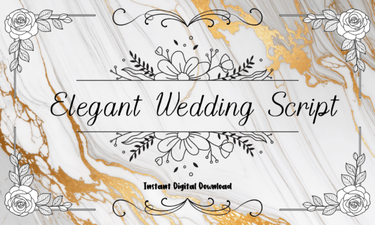 Discovering Beautiful Elegant Wedding Fonts
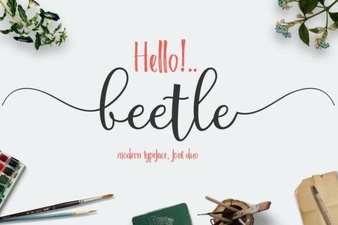 Beetle Duo Font: a Playful Pair for Creative Design Projects
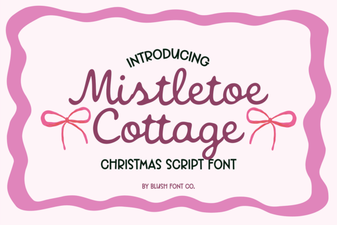 Mistletoe Cottage: a Creative Font for Holiday Projects